How Long Do Traffic Signs Last?
Published
Introduction
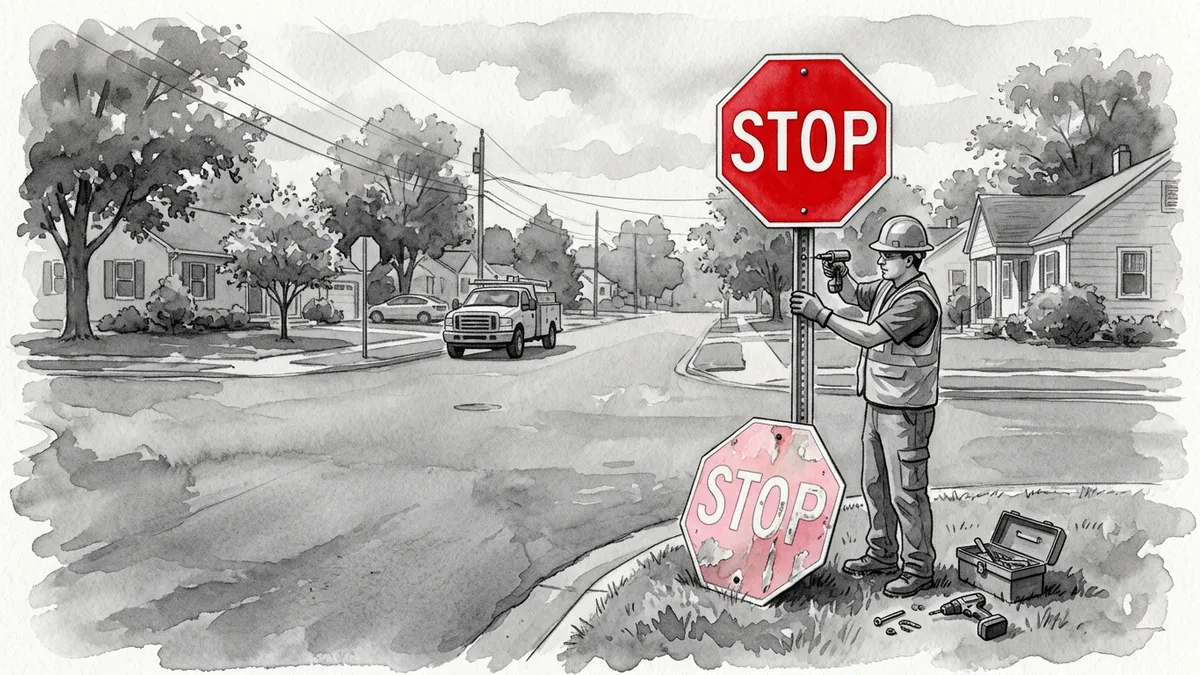
No matter the project or design, traffic signs follow a predictable pattern: they’re manufactured, installed, maintained, and ultimately replaced. Most signs are replaced 10 to 15 years after they’re installed, and that’s based on how long the reflective sheeting lasts.
What the MUTCD Says About Retroreflectivity
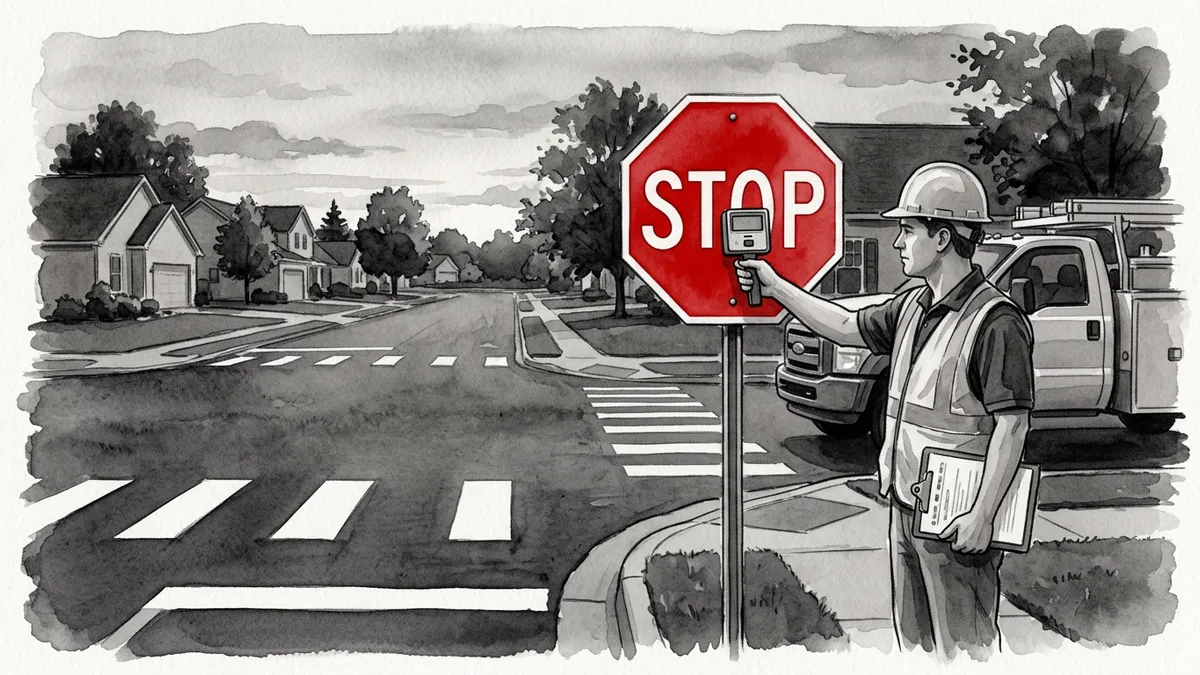
When a sign isn’t reflective enough at night, it’s time to replace it. The MUTCD requires public agencies to use an assessment or management method designed to keep signs at or above the minimum retroreflectivity levels in Table 2A-5, and signs that fall below those levels should be replaced. An agency that uses its method stays compliant even if a few individual signs dip below the minimum at a given time (2A.22).
Parking areas and gated private roads closed to the public aren’t covered by the MUTCD (1B.01), but the same replacement cycle is a good practice there. See The MUTCD and You: What Every Property Owner Needs to Know.
What Determines How Long a Traffic Sign Lasts?
The individual components of a traffic sign are designed to withstand harsh outdoor conditions over several years. However, a sign’s actual lifespan in the field is greatly influenced by the six factors outlined below.
Reflective Sheeting Type
Loss of reflectivity has the biggest impact on a sign’s usable lifetime. Agencies check signs by nighttime inspection, by measuring them, or by replacing them on a schedule based on how long the sheeting is expected to last. That’s why the sheeting’s rated life matters.
- High-intensity prismatic (HIP) sheeting is rated for 10 years of outdoor durability.
- Full-cube prismatic (FCP) sheeting is rated for 12 years.
When you add an anti-graffiti overlaminate, signs can stay usable for longer. The rated lifetime of HIP sheeting increases from 10 years to 12 years, and for FCP sheeting it’s 12 years to 15 years. For more on sheeting types, see What Reflective Sheeting Is Best for Street Name Signs?
UV Exposure
Reflective sheeting breaks down and fades faster under high UV exposure. That’s especially true for signs facing south because they’re exposed to the sun for most of the day.
Traffic signs in the Sunbelt, in the desert Southwest, and at high elevations receive more intense UV light and need replacing more often.
Climate
Traffic signs installed in a harsh environment tend to have a shorter usable lifespan. Sand, grit, and snowplow spray can scratch nearby signs, and this can be hard to prevent. In other situations, the right materials can improve how long your signs last.
In road salt and sea spray, rustproof aluminum signs, galvanized posts, and matching galvanized hardware can best resist corrosion. In high-wind areas, the right post, secure hardware, and thicker aluminum can also make all the difference.
Vandalism
When a traffic sign is damaged or stolen, purchasing and installing its replacement adds to the maintenance budget. With an anti-graffiti overlaminate, most graffiti can be cleaned off with the right cleaning products, and stickers peel off more easily. Mounting signs with our Vandal-Resistant Bolts and Set Screws slows down removal and can reduce theft.
Installation Method
Matching signs with the right posts and mounting hardware keeps them secure. Overtightened bolts can crack the sheeting around mounting holes, and drilling new holes in the field can let moisture under the sheeting. For posts, see Understanding U-Channel Sign Posts.
Maintenance Practices
Monitoring signs and maintaining their original appearance can extend their lifetime. Routine maintenance can keep traffic signs in a usable condition for a longer time. With regular cleaning, it’s less likely that buildup will damage sign faces, especially in high-traffic areas.
Clean signs with water, a mild detergent, and a soft cloth. Avoid harsh solvents, abrasive pads, and high-pressure washers held close to the sign face. Trim trees and brush that block or rub against signs.
Traffic Sign Lifespan at a Glance
| Part | Typical Life | What Wears It Out |
|---|---|---|
| HIP sheeting | 10 years (12 with anti-graffiti film) | UV, weather, dirt |
| FCP sheeting | 12 years (15 with anti-graffiti film) | UV, weather, dirt |
| Aluminum sign blank | Decades | Bending, impact |
| Galvanized posts | Decades | Vehicle impact, corrosion at the ground line |
Rated lives are manufacturer durability ratings. Many signs stay bright enough longer, but some fail sooner.
Signs It’s Time to Replace a Traffic Sign
- The sign looks dim or dark in your headlights at night
- Red has faded to pink, or other colors have faded
- Sheeting is cracking, peeling, or bubbling
- The sign is bent or dented
- Graffiti won’t come off
- The sign is older than its sheeting’s rated life
Frequently Asked Questions
How often should stop signs be replaced?
The MUTCD doesn’t set a number of years. A Stop Sign should be replaced when it no longer meets the minimum retroreflectivity or when the red has faded. With HIP sheeting, that’s often about 10 years.
Do traffic signs expire?
No, but their reflective sheeting wears out. A sign that’s dim at night no longer does its job, even if it looks fine in daylight.
Can you make a traffic sign last longer?
Yes. Choose FCP sheeting, add an anti-graffiti overlaminate, use proper hardware, and clean the sign gently once or twice a year.
Conclusion
A traffic sign’s lifespan is about 10 to 15 years, depending on its reflective sheeting. When colors fade and signs aren’t reflective enough at nighttime, that’s when you know it’s time for a replacement. Shop our Regulatory Signs and Warning Signs, all made with HIP or FCP sheeting on rustproof aluminum.